
We envision a world in which trust between scientists and the public forms the basis for a more sustainable and resilient environment for all people to live, grow, and prosper.
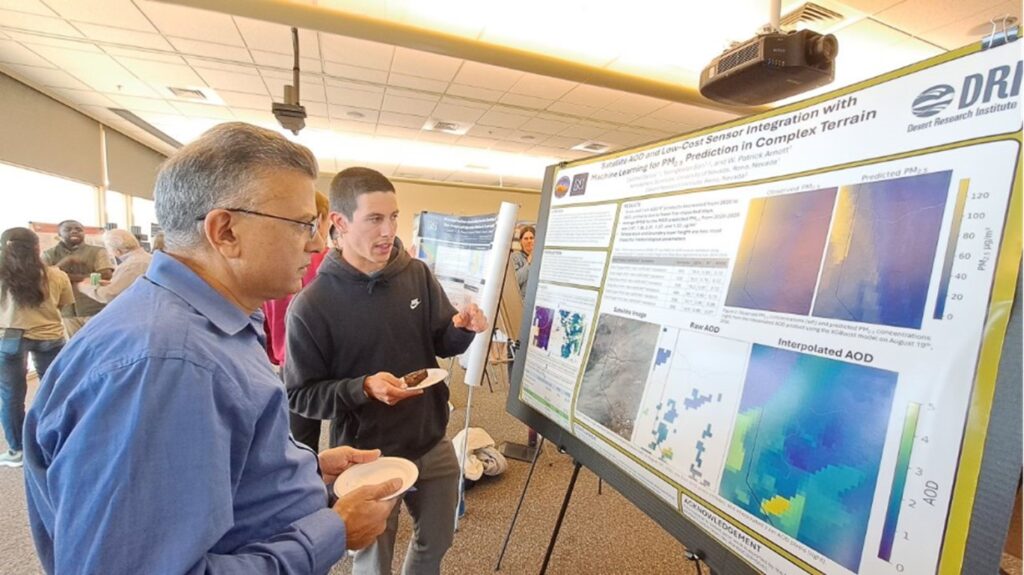
Graduate Student Winners of the 2026 Annual Poster Presentation Session
On Friday, April 17th, 17 graduate students presented their research at DRI’s Reno campus for the annual poster presentation session. Organized by Kathleen Rodrigues, PhD, Assistant Research Professor of Luminescence, the event offers an opportunity for DRI-affiliated graduate students to network with each other and with DRI faculty, hone their presentation skills, and showcase the research they’re working on in pursuit of their degrees.

Meet Trey Flowers
Trey Flowers, Ph.D., P.E., joined DRI in March as the new Executive Director of the Division of Hydrologic Sciences. He brings a wealth of expertise in hydrology research and water resources management, having previously worked at the National Oceanic and Atmospheric Administration (NOAA), the U.S. Agency for International Development (USAID), the U.S. Environmental Protection Agency (EPA), the Bureau of Indian Affairs (BIA), and Exponent. Immediately before joining DRI, he was leading the Analysis and Prediction Division at the National Weather Service’s Office of Water Prediction in Tuscaloosa, Alabama.

With Help from Nevada Foundations and Community Partners, DRI is Bringing High-Quality, Hands-On STEM Learning to Nevada’s Schools
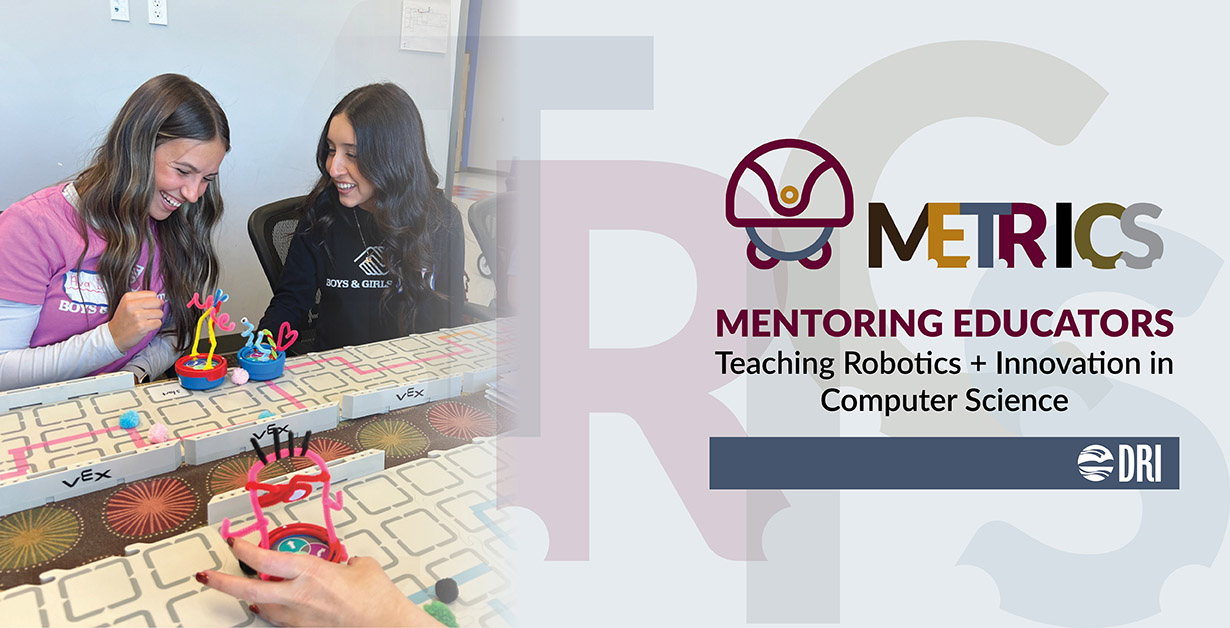
This April, we are celebrating STEAM - science, technology, engineering, art, and mathematics - at DRI. Both the STEM Education Program and Nevada Robotics are dedicated to ensuring that Nevada educators are empowered to bring high-quality, hands-on STEM learning to their classrooms and that every Nevada student has the confidence and skills to thrive in our technology driven world. Community support plays a critical role in helping both programs fulfill their missions.

Research Highlights
Check out our latest Research Highlights 2026 Volume 1 Storymap to see a selection of DRI's science that matters now.
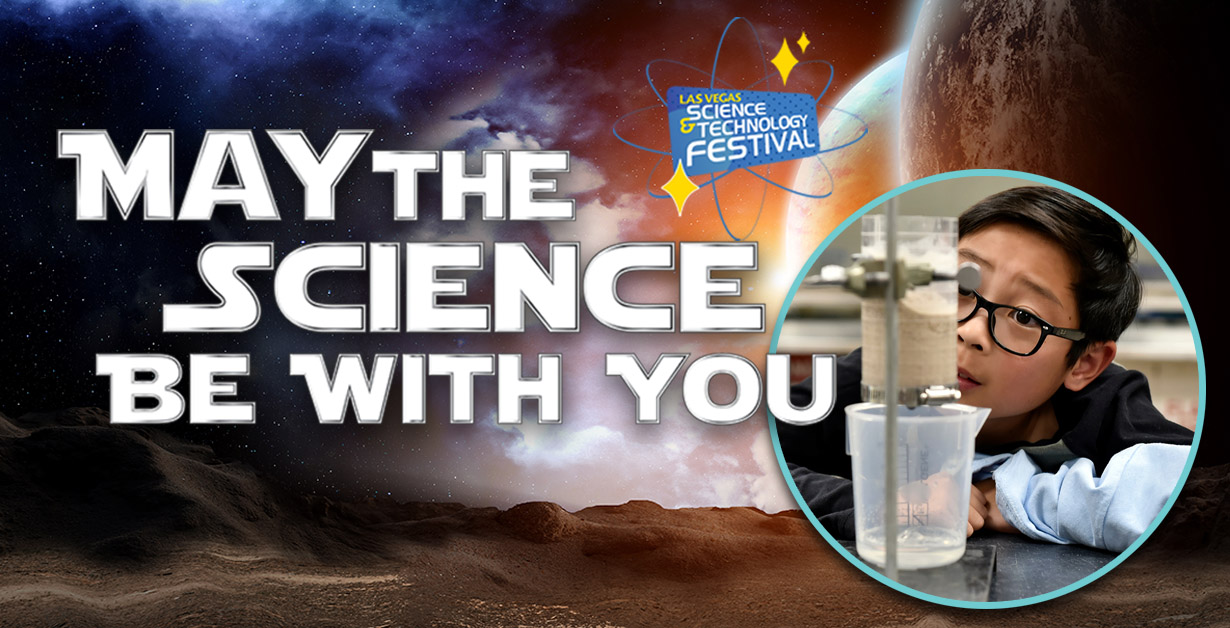
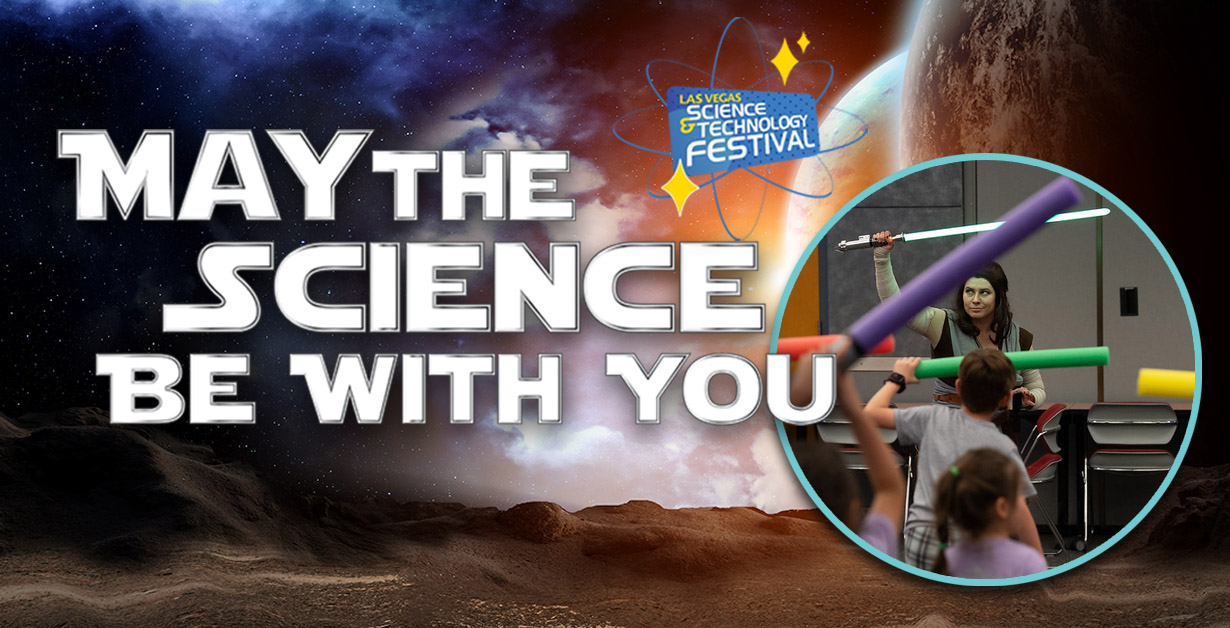
A FREE FAMILY-FRIENDLY COMMUNITY EVENT!
FRIDAY, MAY 1, 2026
DRI LAS VEGAS CAMPUS FROM 4-7 P.M.

Support Science that Matters Now
Your support enables DRI scientists to dream bigger and grow their ideas into impactful solutions that benefit us all.
DRI presents a series of community-based events across Nevada that celebrate how science shapes our lives, fuels creativity, and deepens our understanding of the world by underscoring the transformative power of curiosity and knowledge.
Learn more and purchase tickets!
All Upcoming Events
More than 60 years of scientific discovery and innovation, in Nevada and around the world
Since 1959, the faculty, students, and staff at DRI have advanced scientific knowledge to help solve pressing environmental challenges and improve human health. With more than 600 employees, over 300 projects on all seven continents, and two world-class research campuses in Reno and Las Vegas, DRI serves as one of the eight institutions in the Nevada System of Higher Education.
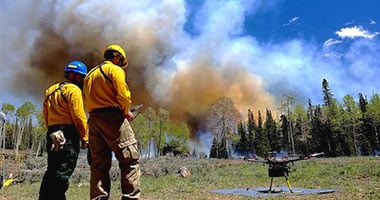
Atmospheric Sciences
Research and services related to air quality and associated health risks, climate, cloud and aerosol physics, renewable energy, fire science, and atmospheric dynamics.

Hydrologic Sciences
Research, development, and education services contributing to society’s fundamental understanding of hydrologic systems and advancing the sustainability of water resources.

Earth & Ecosystem Sciences
Research in the life & earth sciences, particularly those dealing with the complex interactions of geological processes, organisms, biological communities, and human societies.
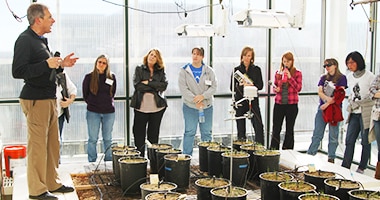
Education & Workforce Development
Training Nevada's K-12 teachers and providing professional development opportunities and training for education-based activities.

Environmental Research Areas
DRI faculty and staff work in over 40 scientific fields on all seven continents.

40 Laboratories and Facilities
DRI has more than 40 specialized labs and facilities on research campuses in Reno and Las Vegas.

60 Years of Scientific Excellence
Since 1959, DRI has contributed to solving our toughest environmental challenges.
As a non-profit, we rely on your support.
By making a gift to DRI, you’re providing the resources our scientists need to better understand and address the challenges posed by our changing planet.